


What to Do If Your Pet’s Microchip Doesn’t Scan: Troubleshooting & Next Steps
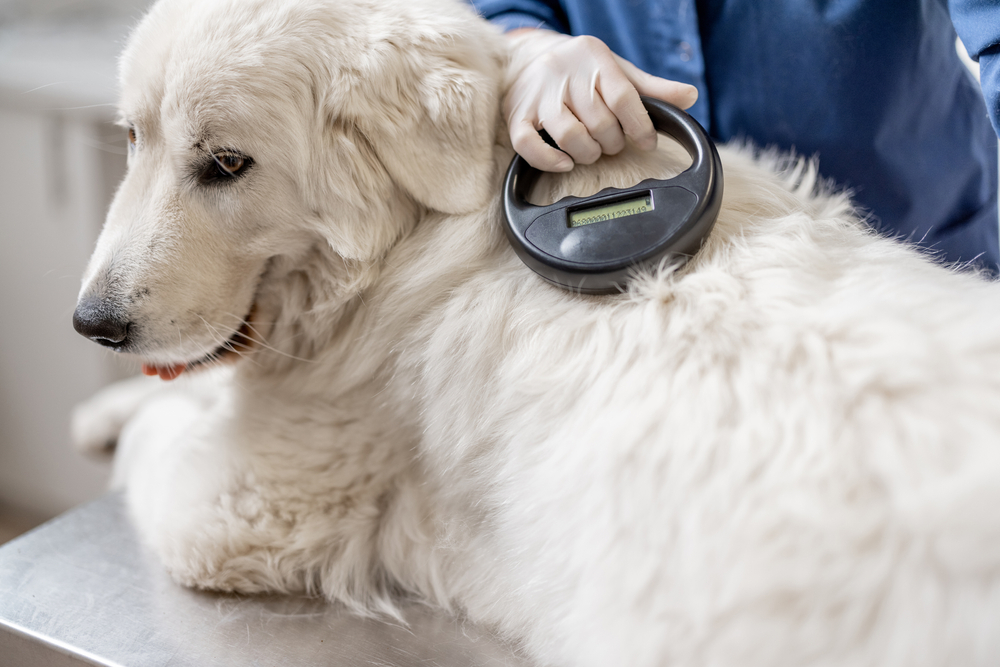
Microchips play a crucial role in reuniting lost pets with their families. They provide permanent identification that can’t be removed or lost like a collar. But what happens if a microchip doesn’t scan? While uncommon, scanning issues can occur - and knowing what to do next can protect your pet’s safety and identity.
Why a Microchip May Not Scan
There are a few reasons why a microchip may not be detected during a scan. In some cases, the microchip may have shifted from its original placement. Although microchips are typically implanted between the shoulder blades, they can gradually migrate under the skin over time, making them harder to locate during a routine scan.
Another possibility is that the issue lies with scanner compatibility. Not all microchips operate on the same frequency, and certain scanners may not be capable of reading every type. This is why universal scanners are becoming more widely used in veterinary clinics and shelters.
A microchip may also fail to scan if it has become damaged or inactive. While these devices are made to last a lifetime, occasional manufacturing defects or physical damage can render a chip unreadable. Additionally, improper implantation can contribute to scanning difficulties. If the chip was not inserted in the ideal location, it may be more challenging to detect during a scan.
What to Do If the Microchip Doesn’t Scan
If your vet or a shelter worker attempts to scan your pet and nothing comes up, here’s what should happen next:
• Try multiple scan angles: A thorough scan includes checking the shoulders, neck, chest, and sides, and sweeping slowly.
• Use a universal (ISO-compatible) scanner: These scanners read multiple microchip frequencies and often pick up chips others may miss.
• Verify chip registration: Sometimes the chip scans, but the contact information isn’t registered in the database. Make sure your details are updated.
• Schedule an exam with our veterinarian: If a chip still can’t be located, an X-ray can confirm whether it’s still in place.
Should You Replace a Faulty or Missing Microchip?
If the chip can’t be detected or is found to be damaged, your veterinarian may recommend placing a new microchip. It’s a quick and simple procedure - and worth the peace of mind knowing your pet has reliable identification. At Allied Animal Healthcare, our veterinarians in Riverdale, GA can help determine whether your pet needs a replacement chip and ensure it’s properly registered before you leave the clinic.
Keep Your Pet’s Microchip Information Up to Date
Even if your pet’s chip is working correctly, make sure your phone number, address, and emergency contacts are current. This is the key step that ensures the microchip actually helps bring your pet home.
Schedule Pet Microchipping in Riverdale
A microchip that doesn’t scan doesn’t mean all hope is lost. With the right equipment, proper scanning techniques, or a replacement microchip if needed, your pet can still have secure, lifelong identification.
Allied Animal Healthcare provides safe, reliable pet microchipping in Riverdale, Georgia, to help protect your furry family members. Call (770) 573-2732 to book an appointment today.


Copyright © 2026. All Rights Reserved. Privacy Policy - Sitemap
Powered by: 