


Bad Breath in Dogs and Cats: When It Is Time for a Veterinary Dental Exam
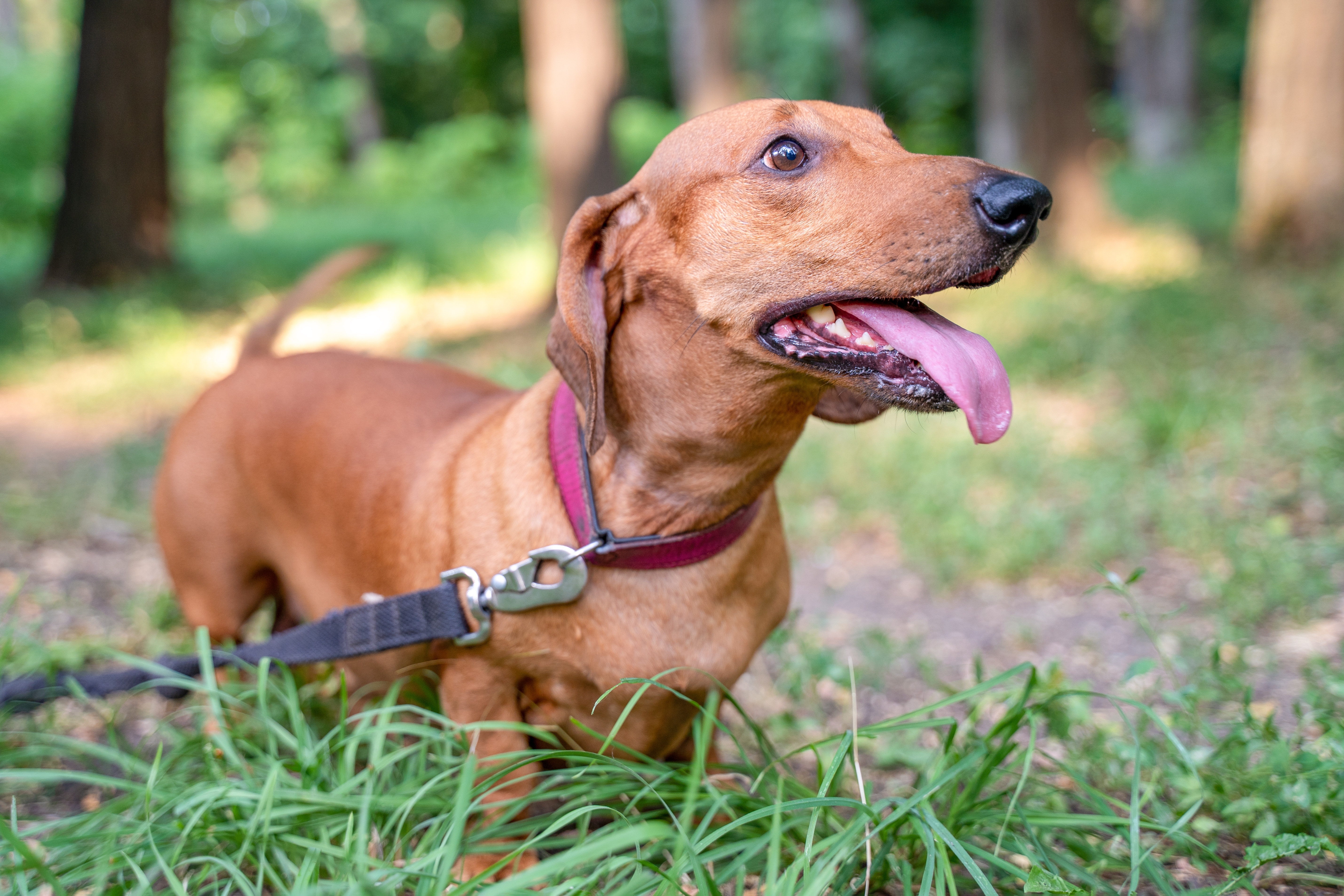
Bad breath in dogs and cats is easy to dismiss, but persistent odor often signals a dental health problem that deserves attention. Plaque, tartar, bacteria, and gum inflammation are common causes of bad breath, and these problems tend to worsen without proper care. At Allied Animal Healthcare, we encourage pet owners to pay attention to changes in their pet's breath and oral health so dental problems can be addressed before they become more serious.
Why Does My Dog or Cat Have Bad Breath?
Bacteria naturally live in your pet's mouth. When plaque is not removed, it builds up along the teeth and gumline and eventually hardens into tartar. This buildup contributes to unpleasant breath and increases the risk of dental disease.
Occasional odor after eating is different from consistently foul breath. If your dog's or cat's breath has become noticeably worse or remains unpleasant, a veterinary dental exam helps determine whether plaque, tartar, gum disease, damaged teeth, or another issue is responsible.
Signs Your Pet Needs a Veterinary Dental Exam
Bad breath is often one of the first changes owners notice, but dental disease has other warning signs. Schedule a veterinary dental exam if your pet develops:
- Persistent or unusually strong bad breath
- Red, swollen, or bleeding gums
- Visible plaque or tartar buildup
- Drooling more than usual
- Difficulty chewing or dropping food
- Reluctance to eat hard food or treats
- Pawing at the mouth or face
- Loose, broken, or missing teeth
Dogs and cats often continue eating even when their mouths are uncomfortable, so waiting for obvious signs of pain allows dental disease to progress.
Why Regular Pet Dental Care Matters
Dental health affects more than fresh breath. As plaque and tartar accumulate, inflammation develops around the gums and supporting structures of the teeth. Advanced dental disease leads to discomfort, infection, and tooth loss.
Regular dental checkups allow our veterinary team to examine your pet's teeth and gums and identify problems that are difficult to spot at home. Depending on what we find, we may recommend additional evaluation, professional dental cleaning, or an appropriate at-home dental care routine. Dental treats and chews alone are usually not enough to keep dental disease under control.
What Happens During a Veterinary Dental Exam?
During an oral evaluation, we look for plaque, tartar, gum inflammation, damaged teeth, and other signs of dental disease. A visual examination provides valuable information about your pet's oral health, although a more detailed examination may be recommended when necessary. Professional dental cleaning also helps remove buildup that regular brushing or dental treats cannot adequately address.
We can also discuss home dental care strategies based on your pet's individual needs. Consistent care between veterinary visits helps control plaque and supports healthier teeth and gums.
Do Not Ignore Persistent Bad Breath
Strong, ongoing bad breath should not be considered a normal part of owning a dog or cat. It is often an early warning that bacteria and dental disease are developing. Addressing the problem promptly helps protect your pet's comfort, teeth, gums, and overall well-being.
Give your pet a healthier mouth and fresher breath and schedule a veterinary dental exam with Allied Animal Healthcare in Riverdale, GA at (770) 573-2732 today.


Copyright © 2026. All Rights Reserved. Privacy Policy - Sitemap
Powered by: 